About Us

About Us

Your local architectural experts in the East Midlands. Trusted for extensions, conversions & seamless planning approval.

About Us2025-04-05T18:17:09+00:00
House Planning Approval Services
What We Do

We provide affordable architectural design services to suit any budget

Full-service architectural solutions: Home extensions, loft conversions & commercial projects. From 3D designs to planning approval – we handle it all.

  • Residential and Business Architectural Services.

  • New Build/ Self Build Architectural Services.

  • Loft Conversion Architectural Services.
  • House Extension Architectural Services.
  • Change Of Use Architectural Services.
  • Building Regulations Architectural Services.

Best Designs

Architectural design studio specialising in residential & commercial projects

With experience in a wide range of project types including new build houses, extensions, renovation, conversion and restoration projects, commercial and industrial buildings, we can offer an individually tailored design solution to meet your needs.

We also provide expert consulting advice on materials, finishes, and the latest design trends, helping you make informed decisions that enhance your home’s overall quality and sustainability.

Contact us today to book a consultation and take the first step towards uniquely creating your home.

Book A Consultation With Us Today!
Architectural Design and Planning Services

Passionate architectural designers creating functional, beautiful spaces. Home extensions, loft conversions & stress-free planning solutions.

End-to-end architectural services for homeowners and businesses: Extensions, conversions & planning permission

Speak with us about your home extension and home improvement plans today.
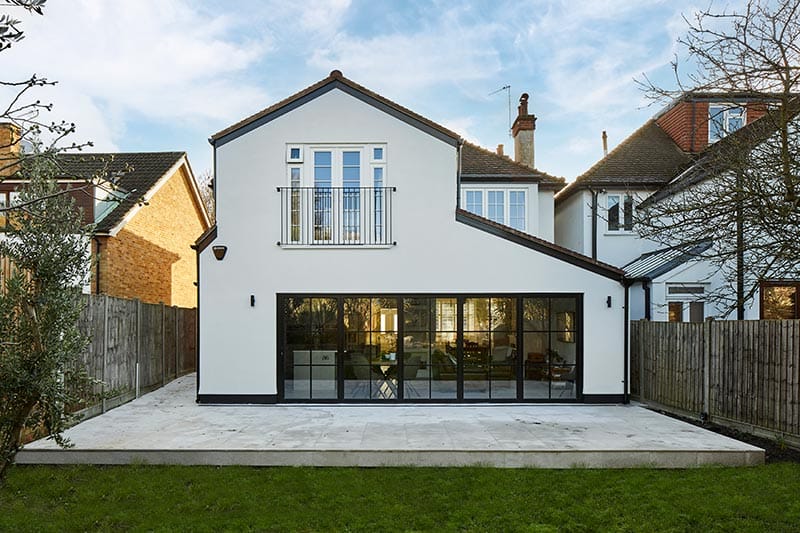
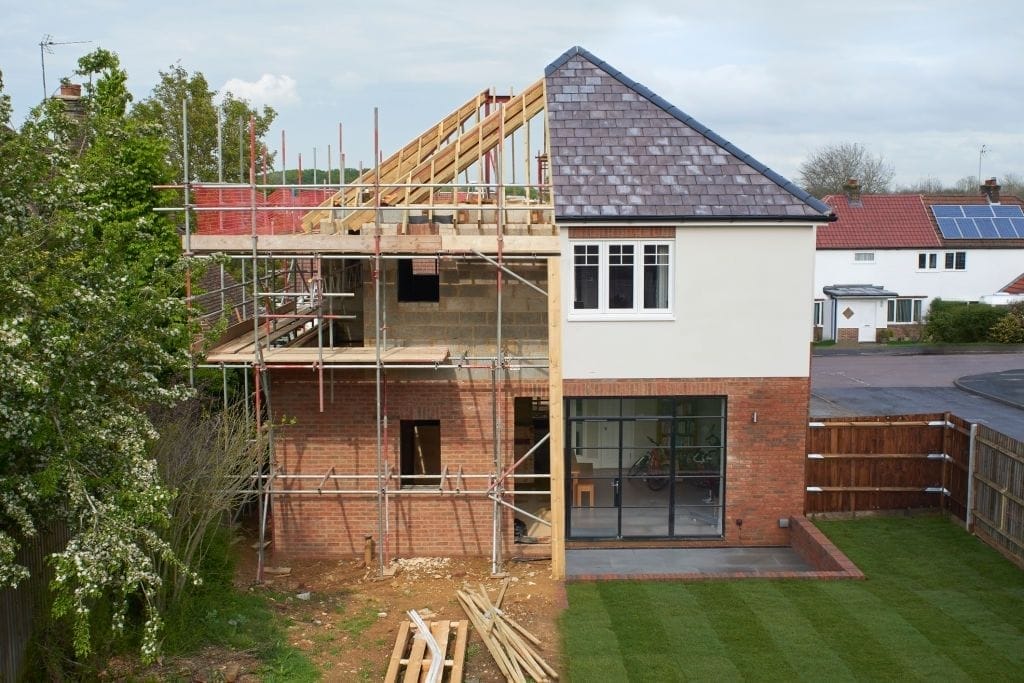
Double-Storey-Rear-House-Extension

Home Extensions

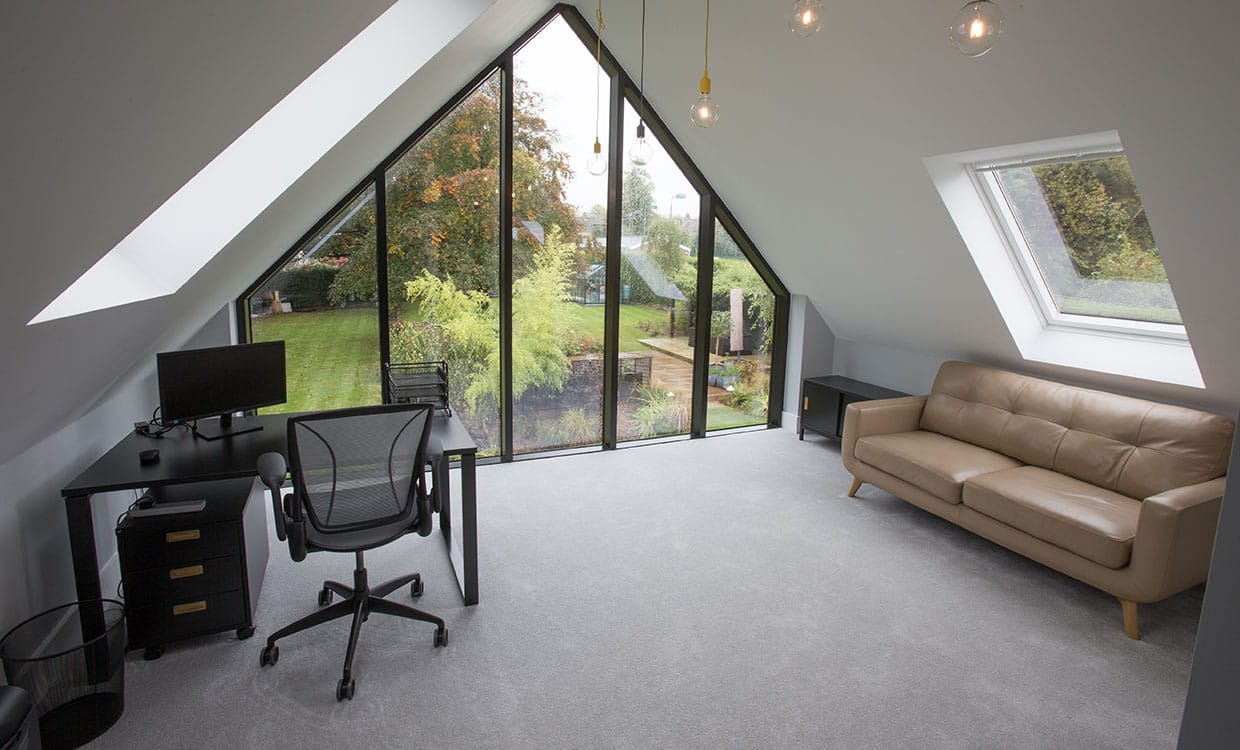
Loft-Conversion-Guide-Planning-Ideas

Extension Ideas

Building-Regulations-Approval-UK

Building Regulations

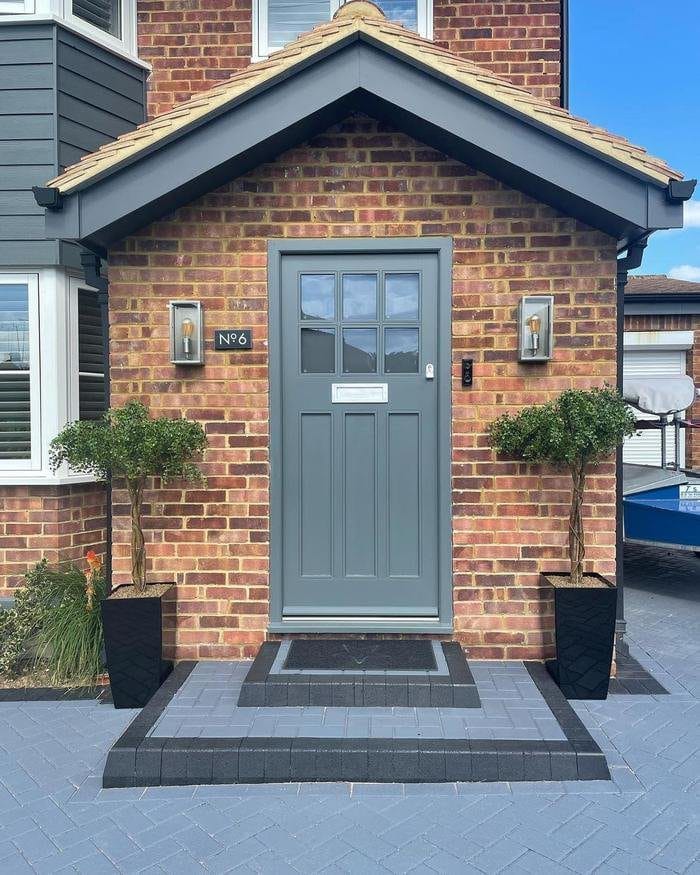
Porch-Extension-Ideas

Porch Extensions

Frequently asked questions

Here is a list of questions we get asked frequently with regard to planning and building regulations approval.
When is a Design and Access Statement (DAS) Required?2025-04-04T14:01:42+00:00

A Design and Access Statement (DAS) is a mandatory requirement for planning applications involving major developments, whether submitted as full or outline proposals. In conservation areas and World Heritage Sites, stricter thresholds apply, meaning even some smaller applications must include a DAS. Additionally, listed building consent applications always require a DAS to ensure the proposed changes respect the historic character of the building.

However, a DAS is not required for applications related to waste development, material changes of use, or engineering and mining operations. Understanding these requirements ensures your planning application is complete and compliant with regulations.

Requiring a Design and Access Statement will increase costs by an additional £350-£900 (dependent on the scope and complexity)

Will there be any other additional costs?2025-04-04T14:04:02+00:00

Self-Build Costs:

Embarking on a self-build project is an exciting journey, but it’s important to be aware of potential additional costs during the planning application process. These may include:

  • Arboriculturist Assessment: If your plans could impact existing trees, an arboriculturist will assess the implications. Fees typically range from £300 to £1,000.
  • Ecological ‘Phase 1’ Report: Required if your project might affect protected species, such as bats. Costs generally fall between £600 and £1,200, but can rise if protected species are identified.
  • Specialist Assessments: Depending on your site, you may also need drainage, flood risk, highways, archaeological, or environmental assessments, each adding to the overall budget.

Other Costs:

  • Structural Engineer Report: Projects which often require the services of a structural engineer include building an extension, loft conversions and garage conversions. Costs vary but a structural engineer may charge around £450-£650 for a basic residential project.
  • Building Regulation Approval: The cost of building regulation approval varies according to local authority fee rates and the nature of the work. As a rule of thumb, most conversion, renovation or extension work will cost from around £100 to submit full plans and a further £200 – £1,000 for inspections. Approved Inspection fees are usually similar in terms of a total charge.

Being prepared for these potential expenses will help you plan effectively and avoid surprises as you bring your self-build vision to life.

How much does applying for planning permission cost?2025-04-04T14:08:45+00:00

The cost of applying for planning permission in England is set to double from April 1st 2025:

    • Enlargement, improvement, or alteration of a single dwellinghouse: Fee increases from £258 to £528.
    • Enlargement, improvement, or alteration of two or more dwellinghouses: Fee increases from £509 to £1,043.
    • Householder developments related to small-scale operations (within the curtilage of a dwellinghouse): Fee remains at £258.
    • Prior approval: Prior approval fees £120/£125/£258 rise to £240/£250/£516
    • Discharge of planning conditions for householder decisions £43 to £86
    • All other discharge of planning conditions £145 to £298
    • Variation or Removal of a planning condition for householder permissions £293 down to £86
    • Variation or Removal of non-major planning conditions £293 to £586
    • All other planning fees will rise by 1.7% inflation
    • Lawful development certificate: Fee increase from £165 to £364
    • Variation or Removal of major planning conditions £293 to £2,000
    • Planning portal service charge: Fee increase from £70 to £84.40

Please note that these fees will be in addition to the drawing fees we charge.

How long does it take before a decision is made?2025-04-04T14:09:48+00:00

Once a householder application has been validated, you will normally get a decision within eight weeks. This is dependent on officers’ workload, consultee responses, amendments and correspondence with planning agents and architects. Where possible, the council will ask for amendments to address any concerns. In these cases, an extension of time will be required and it is unlikely that a decision will be made within 8 weeks.

The statutory time for determination of major applications is 13 weeks or 16 weeks if an environmental impact assessment has been submitted. However, similar to householder applications, where possible, the council will ask for amendments to address any concerns. In these cases, an extension of time will be required and it is unlikely that a decision will be made within 13 or 16 weeks.

Do I need permission to convert my property to a house in multiple occupation (HMO)?2025-04-04T14:13:17+00:00

Yes, permission is required to convert a property to an HMO. We cannot give advice on whether your change of use application would be supported before you formally apply as there may be changes of use in the surrounding building in the meantime that may make the advice out of date.

Does my project need building regulation approval?2025-04-04T14:15:07+00:00

Building regulation drawings and compliance are crucial as they ensure the safety and well-being of occupants within and around buildings. Building approval signifies that a structure adheres to national standards designed to safeguard health, safety, and accessibility. These regulations cover a wide range of aspects, including structural integrity, fire safety, insulation, damp-proofing, foundations, heating, ventilation, and accessibility for all users.

After obtaining planning permission, it is essential to submit detailed building regulation drawings for approval before construction can commence. This step ensures that all designs meet the required safety and quality standards. It’s important to note that cutting corners or hiring unqualified builders can lead to significant risks. Local authorities, under the Building Act 1984, have the power to enforce corrective measures, including altering or removing non-compliant work, to ensure public safety and regulatory adherence.

How does the planning application process works?2025-04-04T14:16:21+00:00

Planning permission is a legal requirement for any building, engineering, or mining operations, as well as for material changes in the use of buildings or land—collectively referred to as development. Whether it’s a house extension or a large-scale project like a new shopping centre, your Local Planning Authority (LPA) is responsible for assessing and approving these proposals.

To secure planning permission, you must submit a detailed application to your LPA. This process begins with us carrying out a detailed site assessment, conducted either on-site or remotely, to evaluate existing conditions and gather essential data. Based on this assessment, initial drawings are prepared, and our consultants collaborate with you to refine the design, ensuring it aligns with your vision and regulatory requirements. Once the plans are finalised and both parties are satisfied, the application is formally submitted to the local authority for review and approval.

Single-Storey-Extension-Plan-Drawings
Design Solutions

Architectural design, innovation and creativity for all types of development.

Every project is unique. No matter the size or scope, we collaborate closely with you to understand your needs and the site’s context, delivering innovative design solutions that enhance both function and surroundings.

  • Planning applications and approvals
  • Building regulations, drawings applications and approvals
  • 3D visualisations and design drawings

  • All of our services are offered on a fixed fee basis

Design for life

Dream big and live in comfort
Go to Top