Planning Permission vs Permitted Development
Planning Permission and Permitted Development are two distinct concepts related to building and development, but they serve different purposes and have different requirements.
1. Planning Permission
What it is: Planning permission is formal approval from your local planning authority (usually the local council) to carry out specific building work or changes to the use of land or buildings.
When it’s required: It is typically required for larger projects, significant alterations, or changes of use that fall outside the scope of permitted development rights. Examples include building a new house, major extensions, or changes to the use of a property (e.g., converting a house into flats).
Process: You must submit a detailed application to the local planning authority, including plans, drawings, and sometimes supporting documents. The council will assess the application against local and national planning policies, and there is a public consultation period where neighbours and other stakeholders can comment.
Timeframe: The process can take several weeks or months, depending on the complexity of the project and whether any issues arise.
Cost: There are fees associated with submitting a planning application, which vary depending on the type and scale of the project.
2. Permitted Development
What it is: Permitted development rights allow certain types of building work and changes of use to be carried out without the need for a full planning application. These rights are granted by the government and are intended to simplify the process for minor or uncontroversial developments.
When it applies: Permitted development covers smaller-scale projects, such as small extensions, loft conversions, outbuildings, and some changes of use (e.g., converting an office into a residential property). However, there are strict limits and conditions (e.g., size, height, location, and materials) that must be met to qualify.
Process: No formal application is required, but you may need to apply for a Lawful Development Certificate (LDC) to confirm that your project falls within permitted development rights. This is not mandatory but can be useful for future proof (e.g., when selling the property).
Timeframe: If you apply for an LDC, the process is usually quicker than a full planning application, often taking around 8 weeks.
Cost: There is no fee for carrying out permitted development, but there is a fee for applying for an LDC.
Important Notes
Permitted development rights can be restricted in certain areas, such as conservation areas, national parks, or listed buildings, where stricter rules apply. Even if a project falls under permitted development, you may still need to comply with other regulations, such as Building Regulations (which ensure safety and standards).
The size limitations for permitted development depend on the type of project you are undertaking. Permitted development rights are subject to strict rules and conditions, which vary depending on whether the property is a house, flat, or other type of building. Below are the key size limitations for common projects under permitted development:
1. Single-Storey Rear Extensions
Detached houses: Maximum depth of 4 metres (if the extension is more than 3 metres deep, you must notify the local authority under the Prior Approval process).
Semi-detached or terraced houses: Maximum depth of 3 metres (if the extension is more than 3 metres deep, Prior Approval is required).
Height: The extension must not exceed 4 metres in height.
Coverage: The extension must not cover more than 50% of the original garden area.
Note: From 30 May 2024, the size limits for single-storey rear extensions will increase to 6 metres for semi-detached/terraced houses and 8 metres for detached houses under the Prior Approval process.
2. Double-Storey Rear Extensions
Depth: The extension must not extend more than 3 metres from the original rear wall of the house.
Height: The eaves and ridge height must not exceed the height of the existing house.
Setback: The extension must be set back at least 7 metres from the rear boundary.
Roof pitch: The roof pitch must match the existing house.
3. Side Extensions
Width: The extension must not exceed 50% of the width of the original house.
Height: The extension must not exceed 4 metres in height.
Single-storey only: Side extensions must be single-storey.
Materials: The materials used must be similar in appearance to the existing house.
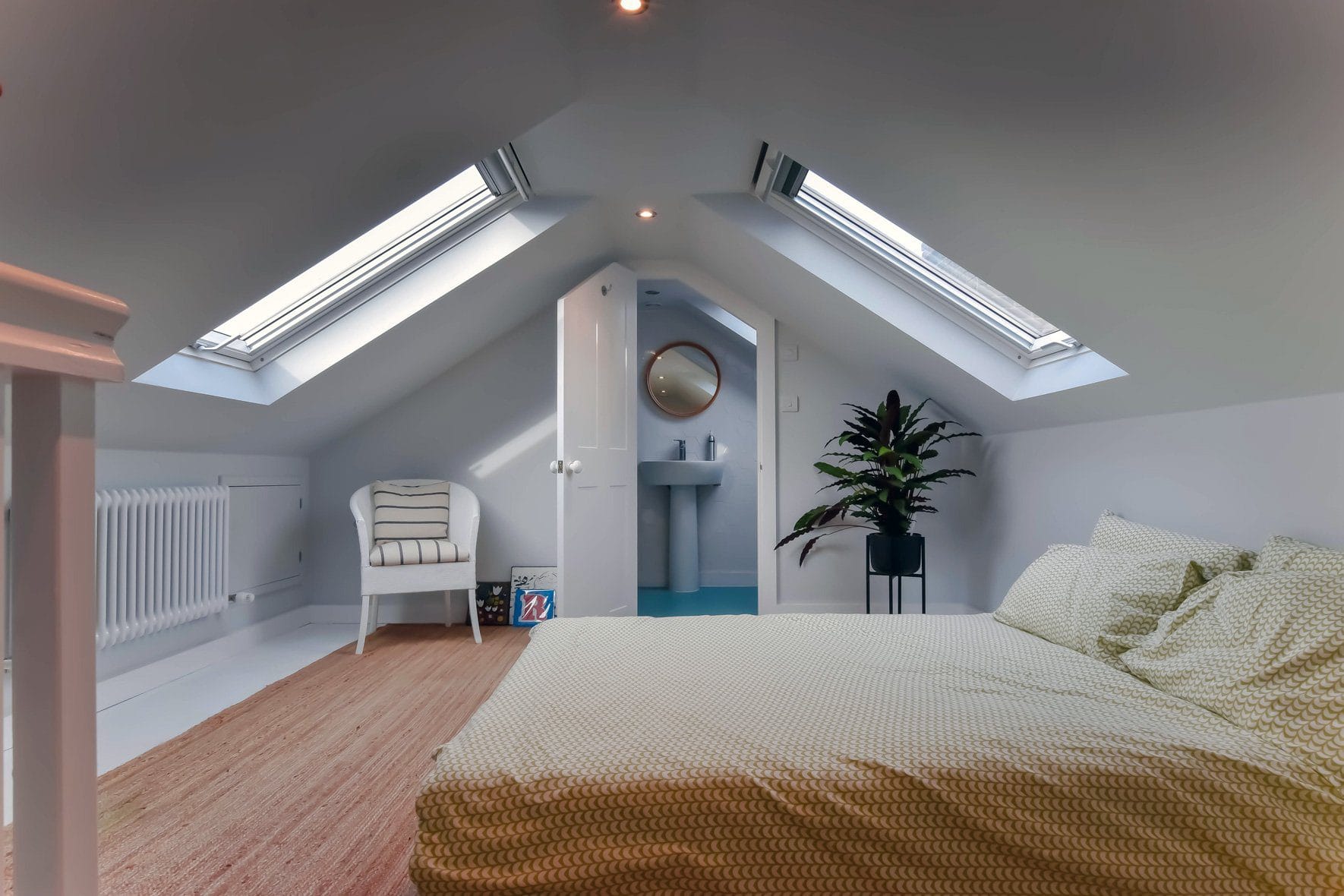
4. Loft Conversions
Volume: The additional space created must not exceed 40 cubic metres for terraced houses or 50 cubic metres for detached and semi-detached houses.
Roof extension: The extension must not extend beyond the plane of the existing roof slope at the front of the house.
Height: The roof extension must not exceed the highest part of the existing roof.
Materials: The materials used must be similar in appearance to the existing house.
5. Outbuildings (e.g., sheds, garages, garden offices)
Height: Maximum height of 2.5 metres if located within 2 metres of a boundary, or 4 metres with a dual-pitched roof (or 3 metres for other roof types) if further away.
Coverage: Outbuildings must not cover more than 50% of the garden area.
Location: Outbuildings must not be placed forward of the principal elevation of the house.
Use: Outbuildings cannot be used as self-contained living accommodation.
6. Porches
Height: The porch must not exceed 3 metres in height.
Area: The porch must not exceed 3 square metres in floor area.
Location: The porch must be at least 2 metres away from any boundary adjacent to a highway.
7. Garage Conversions
Size: There are no specific size limits, but the garage must remain within the existing structure.
Use: The conversion must not involve external alterations that would require planning permission.
8. Windows and Roof Lights
Side-facing windows: Must be obscure-glazed and non-opening if less than 1.7 metres above the floor level.
Roof lights: Must not protrude more than 150 millimetres above the roof plane.
9. Boundary Walls and Fences
Height: Maximum height of 2 metres, unless adjacent to a highway, in which case the maximum height is 1 metre.
Important Notes:
Original House: The size limits are based on the size of the original house as it was first built or as it stood on 1 July 1948 (if built before that date). Any previous extensions may reduce the amount of permitted development you can now undertake.
Prior Approval: For larger single-storey rear extensions (between 4-8 metres), you must notify the local authority under the Prior Approval process, which involves consulting neighbours.
Restrictions: Permitted development rights may be restricted in certain areas, such as conservation areas, national parks, Areas of Outstanding Natural Beauty (AONBs), or for listed buildings.
If you are unsure whether your project falls within permitted development limits, you can apply for a Lawful Development Certificate (LDC) from your local planning authority. This provides formal confirmation that your project complies with permitted development rules.
In summary, planning permission is required for larger or more complex projects, while permitted development allows for smaller, less impactful changes without the need for formal approval, provided certain conditions are met.

Proposed Development - Planning Permsion
Planning Permission Can Save You Time and Money
Applying for planning permission can be a complex and challenging process. Understanding what planning permission is, why it is necessary, and who grants it is essential in navigating through the different types of applications. We offer expertise in full planning permission and listed building consent to help ensure the success of your project. Discover the benefits of planning permission and how our services can save you time and money. Contact Us to find out more.